
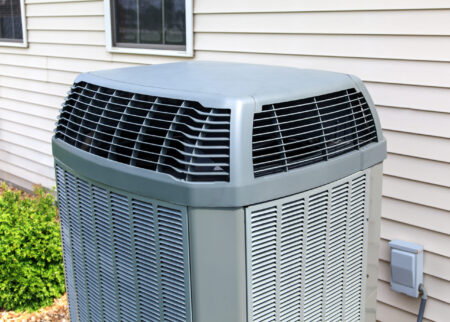
An air conditioner or furnace that’s too large can short-cycle, leaving rooms musty and wasting energy. A unit that’s too small may run nonstop without ever hitting your target temperature. Finding the right balance requires more than selecting the largest model on the lot.
Why Proper Load Calculation Matters
Sizing an HVAC system starts with a Manual J load calculation. Technicians measure your home’s square footage, ceiling heights, window types, insulation levels, and orientation to the sun. They factor in local climate, occupancy patterns, and even the heat from appliances. This data plugs into specialized software that predicts how much heating or cooling your home gains or loses each hour. A correctly sized system runs full cycles long enough to effectively remove humidity in the cooling season and distribute warmth evenly in winter. That balance prevents the short bursts that leave rooms clammy or the endless operation that spikes your utility bill.
The Hidden Costs of Oversizing
An oversized air conditioner cools rooms rapidly, then shuts off before the process properly removes moisture from the air. That pattern stresses the compressor with frequent starts and stops, increasing repair needs on expensive parts. A too-large furnace will heat your space rapidly without distributing the air evenly, causing hot and cold spots. It also wastes fuel and contributes to excess wear on the heat exchanger. Over time, oversized equipment demands earlier replacement, turning what seems like a powerful solution into a costly mistake.
Problems With Undersized Equipment
A unit that can’t keep pace with demand runs continuously and struggles to reach your set temperature. That nonstop operation drives up electricity or gas use and wears out motors faster than in a properly sized system. During peak summer or winter days, an undersized HVAC system leaves you chasing the thermostat, dialing temperatures up or down with no relief. A constant “on” state prevents equipment from ever reaching its most efficient operating point, which sits midway through the cycle rather than at full blast. You can end up with high bills, uneven comfort, and a short service life.
How Ductwork Impacts Sizing
Even a perfectly sized unit underperforms with leaky or undersized ducts. Technicians test static pressure in your duct network to ensure each cubic foot of air moves at the intended speed. Too much pressure means undersized ducts or closed vents, while too little signals leaks or oversized passages. Proper duct design complements right-sized equipment by delivering full capacity where it’s needed, not losing precious cooling or heating into unconditioned attic spaces. When contractors pair load calculations with duct assessments, you get the full benefit of equipment that runs efficiently and quietly.
Considering Efficiency Ratings and Capacity
Equipment specs list both capacity, in BTUs per hour (or tons, for cooling systems), and efficiency, like SEER for air conditioners or AFUE for furnaces. Higher efficiency often means a lower capacity for the same price point. For example, a SEER 10 system might cool at 36,000 BTU per hour, while a SEER 14 model rated at the same price could only produce 30,000 BTU. Load calculations guide you to the size that meets your needs, then efficiency ratings steer you to the most cost-effective model in that capacity range.
Signs You Need to Resize Your System
Frequent short cycles often indicate an oversized system. Conversely, a unit running nonstop without reaching set temperatures signals an undersized model. You might also spot hot or cold spots throughout your home, along with humidity issues. High energy bills despite minimal use, or wear and tear on compressors and burners, can also mean wrong sizing.
Why Professional Sizing Beats Rules of Thumb
Some contractors size systems by square footage alone, assuming 40 BTU per square foot for cooling and 10 for heating. That approach ignores variables like wall construction, attic insulation, and window exposure. A professional sizing process digs into each detail, materials, orientation, occupancy, and even local wind patterns. The result uses precise math rather than rough estimates. That diligence pays off in lower operating costs, longer equipment life, and a comfortable home, no matter how extreme the weather swings.
Contact Apollo Heating & Air Conditioning today!
Need HVAC Sizing Help? Call Us
Our team of HVAC technicians in Bellevue, NE, also offers duct sealing, thermostat upgrades, and system maintenance to protect your investment and boost efficiency. Ready to find the perfect HVAC system for your home? Call Apollo Heating & Air Conditioning today to schedule your consultation.
