
Your indoor air needs to circulate freely for your home to function properly. Almost everything inside your house hinges on airflow, from your health and comfort to the performance of your heating and cooling system. When air stops circulating properly, the effects show up quickly. Here’s a comprehensive guide on how poor ventilation affects you.
The Hidden Dangers of Poor Ventilation
Ventilation is simply the flow of air in and out of your home. Modern homes today are built to be airtight, which is helpful during extreme cold and hot months. However, this airtightness can create problems. The following are some main concerns.
Poor Indoor Air Quality
Everyday activities such as cooking, cleaning, showering, and caring for pets release particles and odors into the air. These contaminants build up quickly and need to be removed. Your HVAC system and air purifier filters capture a large portion of these particles, but they struggle when ventilation is limited. You may notice that the filters get dirty faster than usual and can even become a new source of pollution if they are not replaced in time. When the same air is recycled again and again, the concentration of pollutants increases, and the air inside your home becomes noticeably heavier and more irritating to breathe.
This stagnant air often carries fine particles that linger long after the activity ends. Homes with poor ventilation tend to develop persistent odors because nothing is flushing the air out. Over time, this can lead to a living environment that feels stuffy, causes more coughing or sneezing, and leaves sensitive individuals feeling fatigued or congested.
Higher Energy Bills
With poor ventilation, hot and heavy air becomes trapped during warmer months, and cold, dense air settles in during the winter. Your HVAC system has to work harder to push conditioned air through a home that is not breathing properly. Longer run times, more frequent cycling, and uneven temperatures are common signs of this strain.
This added strain naturally causes your system to use more energy to condition your home. It also shortens its lifespan because components are working harder than they should.
Moisture and Humidity Issues
Activities such as showering, cooking, and even breathing release water vapor into the air. In a well‑ventilated home, this moisture is carried out before it can create problems.
Excess moisture in a restricted space often shows up first as fogged windows, musty odors, or peeling paint. These early signs are easy to overlook, but they indicate that moisture is already settling into building materials. Over time, wood begins to swell and warp, drywall softens, and insulation loses its effectiveness. Rooms may start to feel damp or clammy, and fabrics such as curtains, carpets, and furniture can absorb the moisture and hold onto odors.
High indoor humidity also affects your comfort. Air that is heavy with moisture feels warmer than it actually is, which makes your cooling system work harder in the summer. Moreover, it can cause the metallic components of your HVAC equipment to rust.
Structural Damage
Poor ventilation traps excessive heat, which leads to premature aging and damage to roofing materials. You may notice asphalt shingles blister, curl, or lose granules during the summer because the attic becomes hotter than it was ever designed to be. In winter, the warm, trapped air rises into the attic and melts the snow on the roof while the eaves remain cold. This temperature difference causes the formation of ice dams that push water back under the shingles and into the roof deck.
Once moisture reaches the roof deck, the damage progresses quietly. Wood begins to soften and lose its rigidity, nails loosen, and the structural layers of the roof start to separate. Eventually, this weakens the entire roofing system and can lead to sagging, leaks, and costly repairs.
Solutions
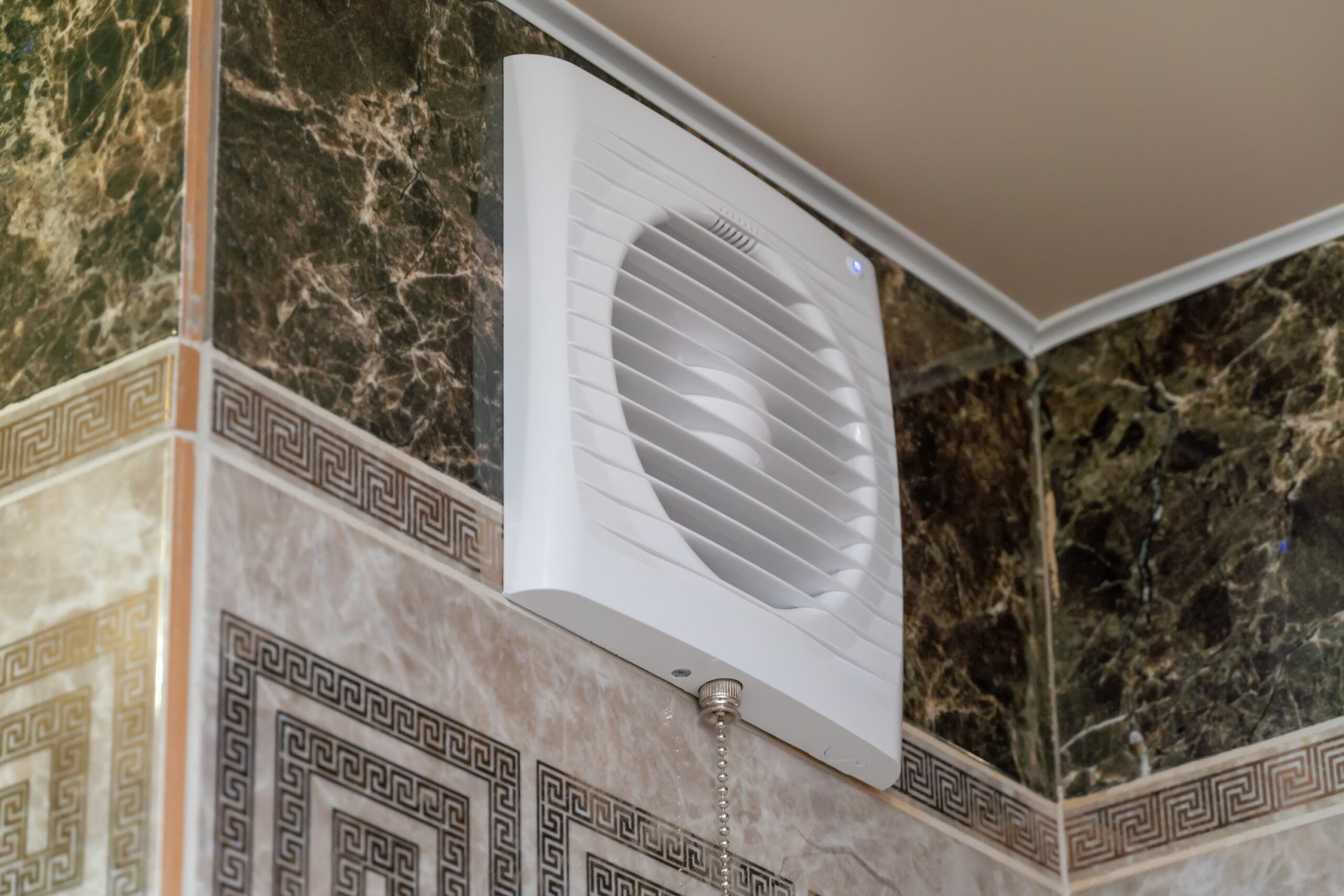
The best solutions to poor ventilation are installing or using your exhaust fans effectively and adding mechanical ventilation systems. As stated, modern homes are built to be airtight, and in many cases, it is best that they remain that way. You will not always have opportunities to rely on natural ventilation, especially during extreme weather, so mechanical ventilation becomes essential.
Work with an HVAC technician to install exhaust fans in areas that generate the most moisture and contaminants, such as bathrooms, kitchens, and laundry rooms. Mechanical ventilation systems, such as energy recovery ventilators and heat recovery ventilators, bring in fresh, filtered outdoor air while removing stale indoor air.
Your attic ventilation also plays a major role in keeping your home healthy. Soffit and ridge vents allow fresh air to enter low and exit high, preventing heat and moisture buildup.
Contact Apollo Heating & Air Conditioning for More Information
Our highly trained experts at Apollo Heating & Air Conditioning can help you take control of your indoor air quality. We’ll inspect your home’s ventilation, identify areas where airflow is restricted, and recommend the best possible solutions tailored to your specific challenges.
Contact Apollo Heating & Air Conditioning for professional ventilation services in Bellevue.
